
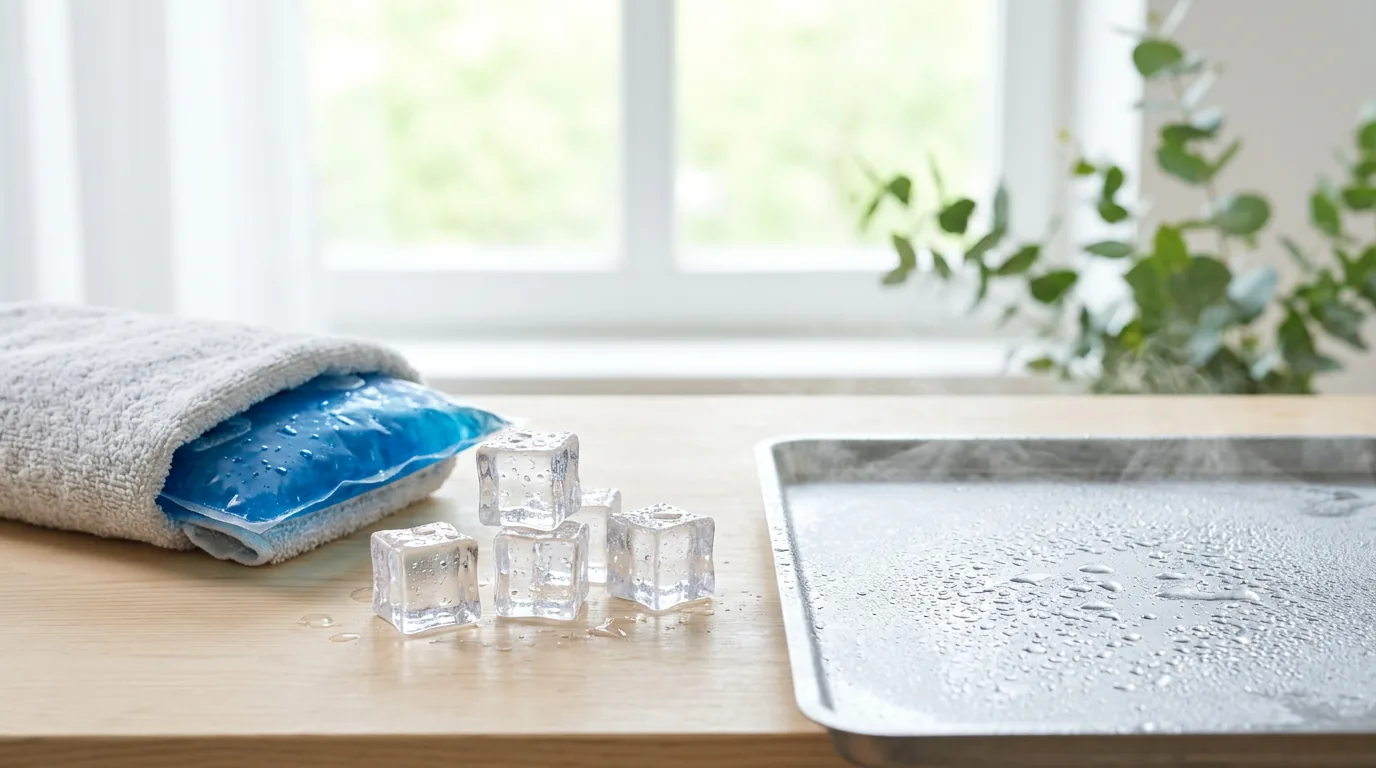
Cryotherapy is the therapeutic use of cold. According to the FDA, the term covers everything from ice packs to water-circulating cold therapy devices and whole-body cryotherapy. [1] These applications differ in purpose, how cold they are and how long they last.
Types of cryotherapy
- Ice and cold packs: after surgery or an injury, heat or cold may be applied to temporarily ease pain, swelling or inflammation. [1]
- Water-circulating cold therapy devices: devices that move chilled water through a tube into a wrap. Because they can stay colder for longer than ice packs, using them correctly is especially important. [1]
- Cryolipolysis (fat freezing): a method that uses controlled cooling to target fat cells and reduce visible fat bulges without surgery. [2] See our cryolipolysis risks article.
- Whole-body cryotherapy: the FDA notes that it presents a different set of risks and its healing benefits are unconfirmed. [1] A review by an international group of experts examined 16 documented adverse events and argues that risks can be kept within acceptable limits when safety recommendations are followed. The same review notes that partial-body cryotherapy, in which the body except the head is exposed to vaporised liquid nitrogen, is often mistaken for whole-body cryotherapy. [3]
Cold and heat at Termal Şok
Cryo T-Shock, used at Termal Şok, is a non-surgical technology that works on the body and face with controlled heat and cold. We explain the method on our Cryo T-Shock page and cold care for the face and skin in cold skin care. Suitability is assessed at a consultation.
The information on whole-body cryotherapy and cryolipolysis in this article applies only to those methods; it is not evidence of the safety or effectiveness of Cryo T-Shock.
Safety
The FDA warning in this section applies only to water-circulating cold therapy devices. According to the FDA, the most serious skin and tissue injuries associated with these devices range from numbness to frostbite. When using them, stop and contact a health professional if you have numbness, increased or unexpected pain, burning, itching, blisters, increased swelling, redness or skin discoloration. If you have a medical condition that affects your circulation or reduces skin sensation, talk to your doctor first. [1]
The FDA states that people with cold sensitivity disorders such as Raynaud's disease, cold urticaria (hives caused by cold) or cryoglobulinemia, or with poor blood circulation in the area to be treated, should not have cryolipolysis. [2]
Sources
- FDA — Cold Facts to Help Avoid Injury from Water-Circulating Hot/Cold Therapy Devices
- FDA — Non-Invasive Body Contouring Technologies
- Evaluating safety risks of whole-body cryotherapy/cryostimulation (WBC): a scoping review from an international consortium (PMC)
Sources reviewed on 28 November 2026. This article is for general information and does not replace a personal health assessment.