
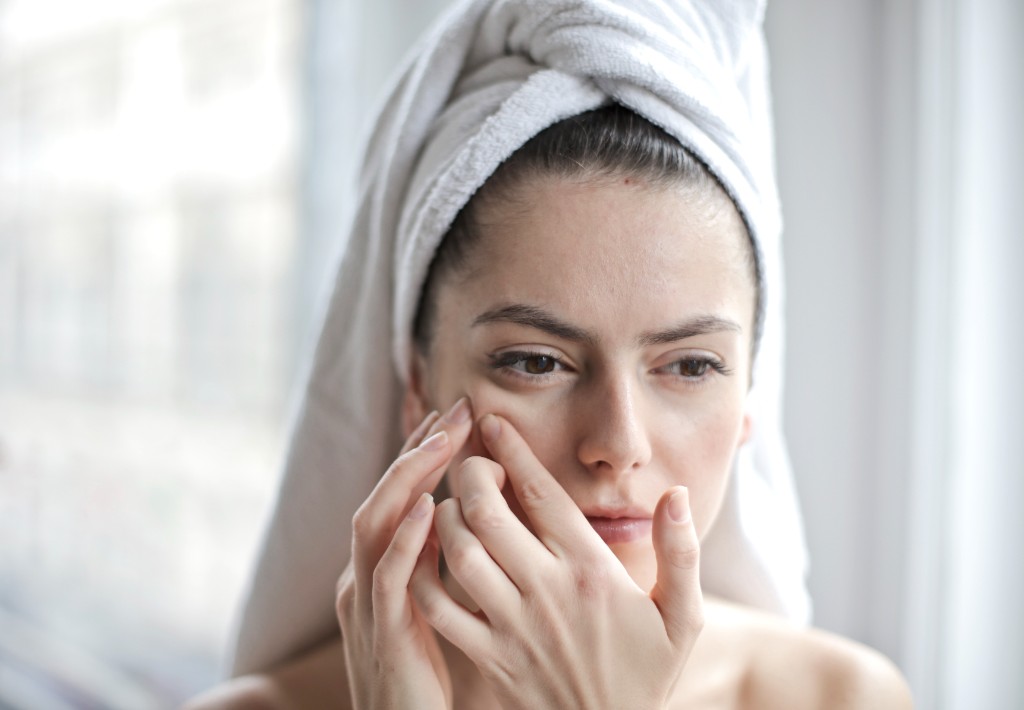
What causes dry skin?
Skin can become dry when it loses too much water. Long, hot showers, harsh cleansers, frequent contact with water and cold, dry weather can contribute. Age, some medicines and skin conditions may also matter. The explanation is not the same for everyone. [1]
Before an appointment, think about the timing. Did dryness increase with a change of season, follow a new cleanser or keep returning to the same area? These details are more useful than simply saying that your skin is dry.
Bring the names of any medicines you use. Do not stop a prescribed treatment because you suspect it causes dryness. Likewise, dryness alone does not establish a vitamin deficiency or justify starting supplements without advice. When the cause needs investigating, a medical assessment is the appropriate next step.
How should tightness, flaking and sensitivity be described?
Roughness, flaking, itching and cracks can accompany excessively dry skin. Cracked or irritated skin may also sting or burn when water or a product touches it. These symptoms do not establish a particular diagnosis on their own. [2]
Instead of saying only “my skin is sensitive”, explain what happens: tightness after cleansing, burning with one cream, or raised patches after cold exposure. Describe where the reaction appears and how long it lasts. This helps separate moisture needs from a response to a particular product or exposure.
Stinging is not proof that a product is working. Before adding another product or booking a procedure, identify what changed and what you want assessed.
Where should an everyday moisturising routine begin?
Short showers with warm water, gentle cleansing and a fragrance-free moisturiser can provide a starting point. Pat the skin dry rather than rubbing. The AAD notes that creams and ointments can work better than lotions for dry skin. [3]
Avoid changing many products at once. First review your cleanser, moisturiser and the way your skin feels afterwards. The aim is a manageable routine you tolerate, rather than the largest collection of products.
Applying an emollient after washing helps retain moisture. Texture, body area and the condition of the skin affect product choice. If a product causes burning or another reaction, discuss an alternative with a pharmacist or doctor. [4]
Why does a rash alongside dryness need separate attention?
Contact dermatitis is a type of eczema triggered by contact with a substance. It can involve itching, dryness, cracking, blisters or changes in skin colour. Irritant contact and allergic reactions are different mechanisms; a photograph cannot reliably settle the cause. [5]
If symptoms followed a cosmetic, detergent, peel or treatment, note its name and when the symptoms began. Persistent, recurrent or significant symptoms warrant medical advice. Choosing a new moisturising package does not replace assessing the trigger.
Is moisturising care the same as cold skin care?
Moisturising care concerns products and habits that help retain moisture. A device using cold or alternating warm and cold cycles has a different application process and suitability requirements. A cool sensation does not measure whether the skin's moisture needs have been met.
This table is a discussion aid, not a diagnosis or individual clearance for treatment.
| Situation or expectation | What to discuss first | Limit to keep in mind |
|---|---|---|
| Tightness after cleansing | Cleanser and moisturising routine | A device-based session is not automatically required. |
| Burning or a rash with a new product | Product, timing and reaction | Medical assessment may take priority. |
| Recurring dryness | Previous attempts and possible causes | A single cosmetic treatment is not a guaranteed lasting solution. |
| Itchy raised patches after cold exposure | History of cold reactions | A trial session should not be used to test suitability. |
| A wish for greater comfort | Goal and follow-up measures | Refreshment should not be presented as disease treatment. |
How should CryoFacial and CryoSoothe be considered?
Termal Şok presents CryoFacial as a facial service and CryoSoothe as a soothing care option. Service descriptions are not independent clinical evidence that either treats the cause of dryness or suits every sensitive skin. [8, 9]
“My skin is dry, so cold treatment must suit me” is not a sound basis for choosing a procedure. The actual device, temperature cycle, contact products, treatment area and manufacturer instructions need to be considered alongside personal circumstances. Moisturisers, medical treatment and device-based care are not automatically interchangeable. The cold skin care guide provides further context on service names and limits.
If you have prescribed treatment for eczema or another condition, do not replace it with a cosmetic session on that basis. An initial conversation may lead to a plan, a decision to postpone or a request for medical advice.
Why ask about reactions to cold?
In cold urticaria, cold air, water or objects can trigger itchy raised patches and swelling. Some reactions can be serious. If you have experienced this, seek medical advice before considering cold-based care; do not try a home ice test or a trial treatment session. [7]
Describe the reaction rather than summarising it as disliking the cold. Share any diagnosis you have received. Suitability conditions for one device or treatment area should not be transferred to another without checking.
How can you prepare for an assessment?
Bring a short note covering:
- Where the dryness occurs, when it began and what makes it worse.
- Your skin products, medicines and prescribed skin treatments.
- What you have already tried and how your skin responded.
- Any history of eczema, allergies, cold reactions or recent procedures.
- Whether the goal is less tightness, a change in appearance or assessment of a particular symptom.
A dermatologist may ask about your history and previous attempts to identify the cause. An individual plan may address an underlying condition as well as moisturising care. [6] Photographs of product packaging can make this conversation easier.
At a Termal Şok consultation, ask what the proposed care is intended to do, why it is being suggested and when it would be postponed. Establish suitability and realistic expectations before discussing a fixed course of sessions.
When should you seek medical advice?
Dryness that persists or worsens, recurring rashes and significant discomfort may need a dermatologist's assessment. [5, 6] Discharge, yellow crusting or swelling can suggest infection and call for healthcare assessment rather than waiting for a cosmetic appointment. [2]
During follow-up, discuss comfort and the symptoms you initially described, not only how bright the skin looks in a photograph. Record other product changes so every difference is not attributed to one session. This article provides general information and does not replace individual diagnosis or treatment.